Data privacy compliance: best practices for protecting personal information under global regulations


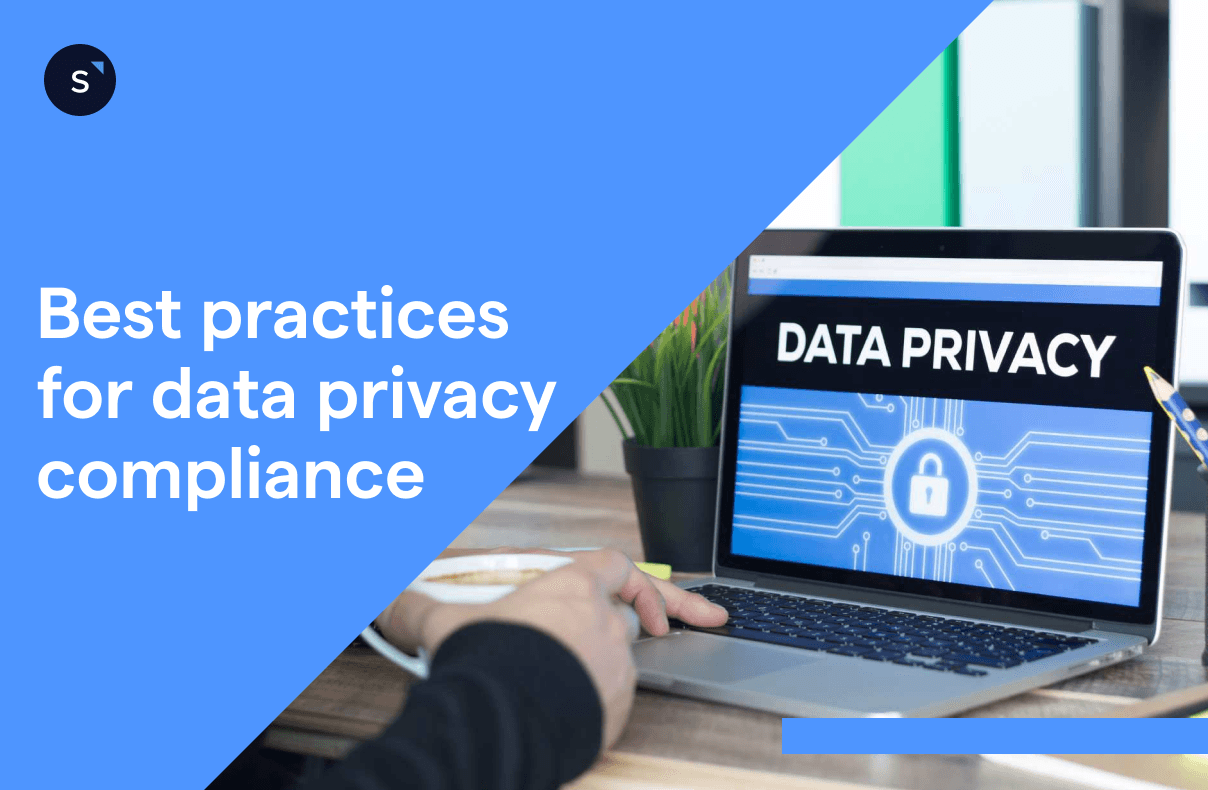
As regulations around personal data protection tighten globally, businesses must ensure they meet the necessary standards to protect customer information and avoid costly consequences.
To stay compliant, companies must adhere to key data privacy laws such as the General Data Protection Regulation (GDPR), the California Consumer Privacy Act (CCPA), the Personal Data Protection Act (PDPA), and the Personal Data Protection Law (PDPL).
These laws set clear guidelines on how businesses should collect, store, and process personal data across different regions. Failing to comply with these regulations can lead to significant fines, legal action, and lasting reputational damage.
Key data privacy regulations businesses must follow
As a business, you are responsible for protecting personal information and following the customer privacy laws that apply to your operations. These laws are designed to protect personal data, provide transparency, and give individuals greater control over how their data is used.
Some of the most widely adopted data privacy regulations businesses should be aware of include:
Best practices for achieving data privacy compliance
Here are essential practices to help meet data privacy requirements. Following these tips minimizes risk and builds trust.
1. Map and identify personal data
Start by creating a detailed inventory of all the personal data your business collects across channels and systems. This includes customer names, emails, payment details, and other sensitive information.
Regularly update your data map to ensure new data collection activities are tracked. Use data management tools to streamline this process and visualize how data flows through your organization.
2. Obtain explicit consent for transparency
Make it clear to customers what data you are collecting and how it will be used. Use simple and concise consent forms with clear options for customers to opt-in or opt-out. Ensure consent is documented and easily accessible, allowing users to modify or withdraw it anytime. Incorporate consent requests at key touchpoints like sign-ups or checkout processes.
3. Secure data storage and control access
Implement robust encryption methods to protect sensitive data both in transit (moving from one location to another) and at rest (in storage). Restrict access to customer personal data by using role-based access control (RBAC), ensuring only authorized personnel can view or manage specific information. Regularly update security protocols and ensure your storage systems are compliant with the latest industry standards.


Automatically mask sensitive information like ID numbers and credit card details without disrupting workflows. Provide anonymized data views so unauthorized users only see masked data while still completing essential tasks.
4. Conduct regular compliance audits
Schedule regular compliance audits to assess how well your business adheres to data privacy laws. This includes reviewing data collection practices, storage security, and consent management.
Use audit findings to identify gaps, make necessary adjustments, and ensure all employees are trained on compliance standards. Keep records of audits for future reference or legal needs.
How does SleekFlow help businesses stay compliant?


Ensuring data privacy compliance is complex, but SleekFlow simplifies it. Our platform integrates best practices to protect personal information and meet global privacy laws like GDPR and PDPA. With advanced tools to automate key processes, SleekFlow helps you stay compliant. Here's how we support your efforts:
1. Encrypting data & ensuring secure storage
At SleekFlow, protecting personal information is our top priority. We use robust encryption methods to ensure that sensitive customer data is always secure. SleekFlow is ISO 27001-certified (an international information security standard) and built to support GDPR compliance, with security practices designed to meet global data protection standards. You can trust us to protect your data with industry-leading security infrastructure.
2. Managing consent & privacy
SleekFlow provides tools that help businesses manage customer data in line with privacy laws. With our Flow Builder, you can automate consent request messages and manage customer responses more efficiently.
With regular scanning and manual checks of our systems, we identify and address potential vulnerabilities quickly, ensuring your data protection efforts are always up-to-date. We take a proactive approach to compliance so you can focus on your business while we safeguard your customer data.
3. Customizable data access controls for security


SleekFlow offers flexible data access with RBAC, allowing businesses to define custom roles and permissions for team members. Companies can ensure that only authorized personnel can handle sensitive data by setting clear access restrictions for tools like Flow Builder, Broadcast, and Analytics.
This allows you to maintain data privacy compliance while giving your team the flexibility to work securely. Our platform also features IP whitelisting to restrict access to trusted networks, adding an extra layer of security for your data.
4. Tracking audit logs & continuous monitoring
Transparency is key to maintaining data privacy compliance. At SleekFlow, we provide audit logs and monitoring tools to help track data handling activities. Our team runs regular tests to identify new vulnerabilities and ensures that any discovered risks are swiftly addressed.
With detailed reports and full visibility into your data’s journey, you can confidently demonstrate compliance with data privacy laws and maintain the highest standards of personal data protection.
Contact SleekFlow today to learn how our platform can help you protect customer data.

Keep customer data safe with SleekFlow.
Secure communication across all channels with SleekFlow’s encrypted, ISO 27001-certified solution.
The future of data privacy compliance
Data privacy laws are rapidly spreading worldwide, becoming more stringent and far-reaching. As of early 2025, 144 countries have enacted comprehensive data protection statutes, covering 82% of the world’s population (about 6.64 billion people).
Many jurisdictions have modeled elements of Europe’s GDPR, introducing concepts like data protection officers (DPOs), privacy impact assessments, breach notification rules, and strong user consent requirements.
Privacy regulators are backing new laws with aggressive enforcement. Hefty fines and penalties for non-compliance have hit record levels, especially under GDPR in the EU.
Organizations are adopting artificial intelligence and automation to cope with growing compliance demands. For example, intelligent software now handles large-scale document reviews and audit trail monitoring that used to require extensive manual effort. These tools can scan thousands of records or contracts to flag compliance issues (like missing consent language or improper data sharing) in a fraction of the time.
Choosing an AI suite that has data privacy considerations in place like SleekFlow is crucial because organizations are ultimately responsible for how vendors manage personal data.
SleekFlow is GDPR compliant, with data privacy features in place to help your customer data stay secure..
Building a future-proof data protection strategy
Staying compliant isn’t just about avoiding fines. It’s about earning customer trust. Best practices like encryption, consent management, and regular audits keep your data secure.
SleekFlow’s built-in safeguards—role-based access, IP whitelisting, and real-time monitoring—help you stay data secure. Discover how SleekFlow can protect your business and customer data today.
Secure customer data with GDPR & ISO-certified protection
Stay compliant with GDPR and ISO 27001 while preventing data breaches with SleekFlow’s advanced security features.
{{__phrase_faq-title__}}
{{__phrase_share-article__}}