Omnichannel marketing in Malaysia: strategy, examples, and why it matters


Omnichannel marketing in Malaysia isn’t about being on every platform. It’s about making your brand feel consistent wherever customers meet you whether in ads, social, WhatsApp, email, website, and even in-store. When those touchpoints don’t connect, customers repeat themselves, teams duplicate work, and campaigns become hard to measure.
This guide breaks down what omnichannel marketing actually means, the most common mistakes Malaysian brands run into, and a practical playbook you can use to launch (or fix) your strategy without rebuilding everything.
What is omnichannel marketing

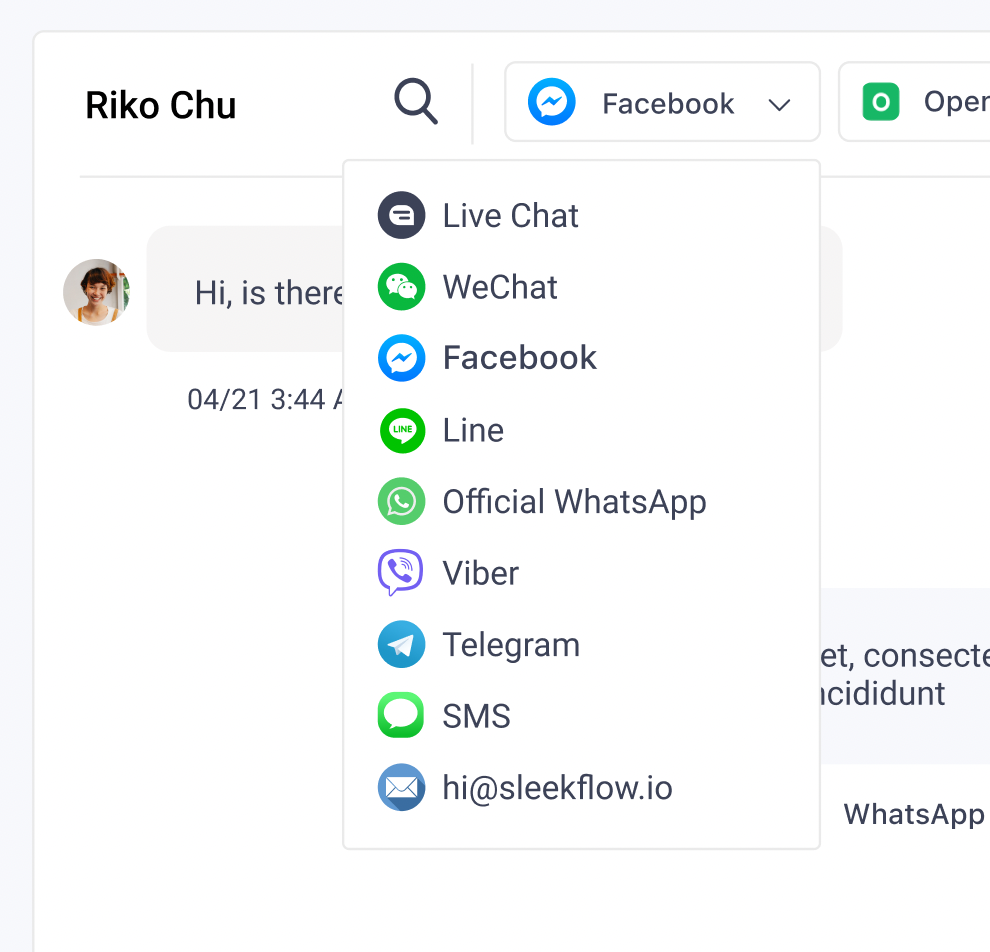
Omnichannel marketing is defined as a strategy built on creating a consistent, seamless and effortless brand experience in which customer communications and interactions can occur on all types of channels, platforms, and devices.
This means that marketing efforts are distributed across both in-store and online platforms, including a combined commitment such as “buy online, collect in store”, with promoting sales as the ultimate goal.
As 64% of BOPIS (Buy online, pick-up instore) shoppers are now going for store pick-ups more often compared to before the pandemic, marketers must then fully utilise the omnichannel approach to keep pace with the consumers.
Benefits of an omnichannel marketing strategy for businesses in Malaysia

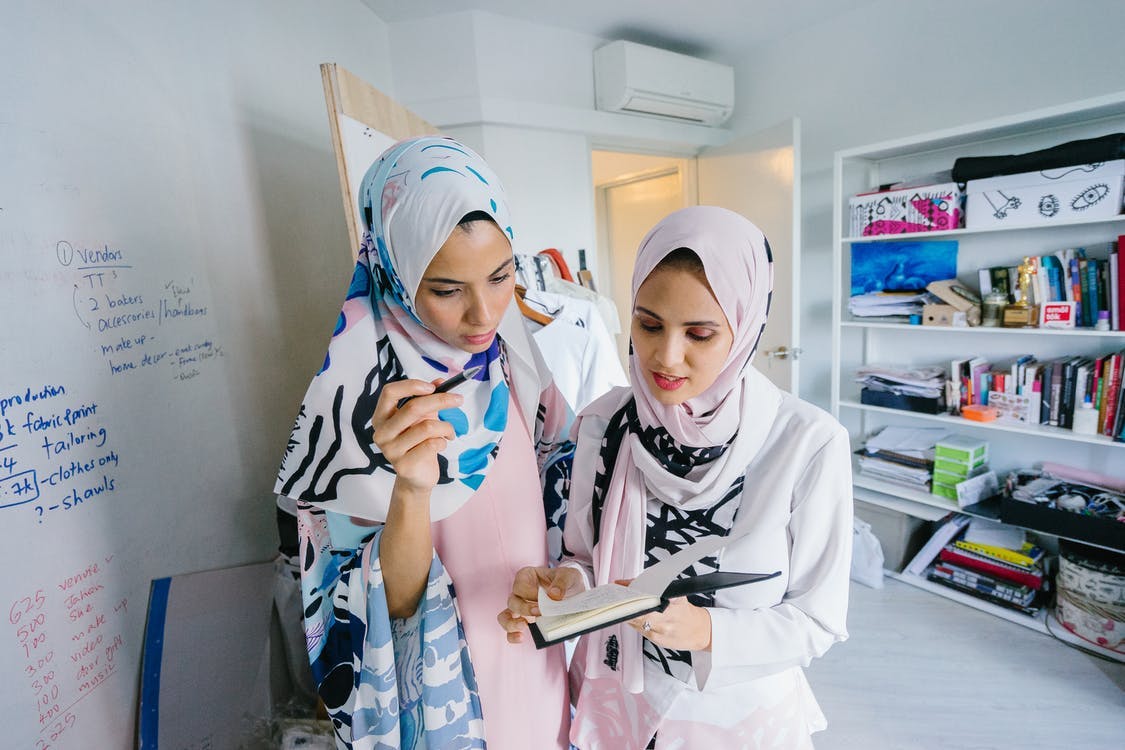
Omnichannel marketing looks at publicity from a consumer-centric perspective. It emphasises the quality of the customer journey from the first touchpoint all the way down to the bottom of the sales funnel. Some key benefits of using omnichannel marketing tools include:
Maintains a unique and uniform brand tone
Offers consistently efficient and precise customer support
Displays up-to-date customer details and order history
Targets customers based on personalised interests
Now, you might be thinking, what is the difference between omnichannel and multichannel marketing?
Although they are very similar, omnichannel marketing is indeed more advantageous as the integrated data enables consumers to shop freely however they want. In other words, there won’t be any hiccups in the customer’s journey (like having to reselect items in the shopping cart) or customer data management (no existing customer data to offer quick and precise assistance) if they decide to first reach out through Facebook, then transition to WhatsApp or visit in-store.
A summary of omnichannel vs multichannel marketing:
Further reading: Discover the concept of omnichannel retailing for its many benefits.
Challenges when implementing omnichannel marketing


Image by Susanne Jutzeler, suju-foto from Pexels
While businesses seem to understand the importance and benefits of this approach, many struggle to develop a smooth pathway for incorporating omnichannel marketing. This can be caused by the absence of a merged integration system.
Without a centralised integration system, customer data from all channels are scattered and difficult to maintain. Also, they are then required to repetitively carry out manual processes to organise and segment all the customer details.
How to create an effective omnichannel marketing strategy
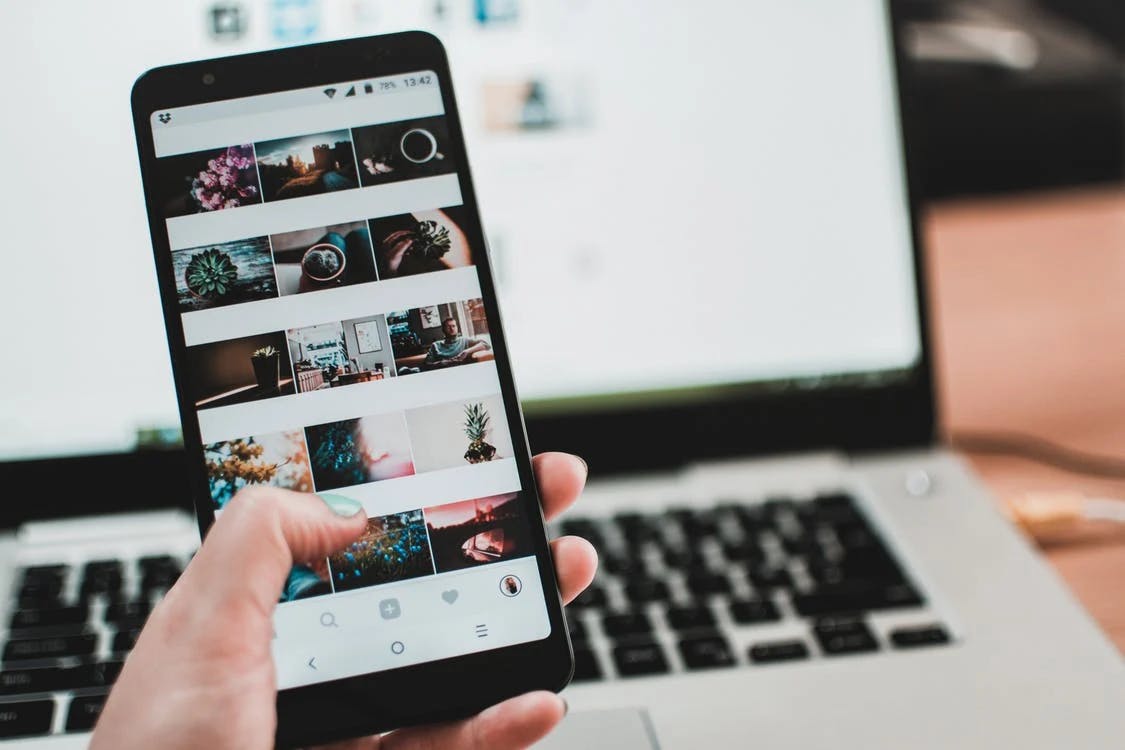
Most omnichannel marketing fails because brands try to connect everything at once. The fastest way to win is to pick one customer journey you want to make seamless, then expand from there.
Step 1: Pick your “hero journey” (just one)

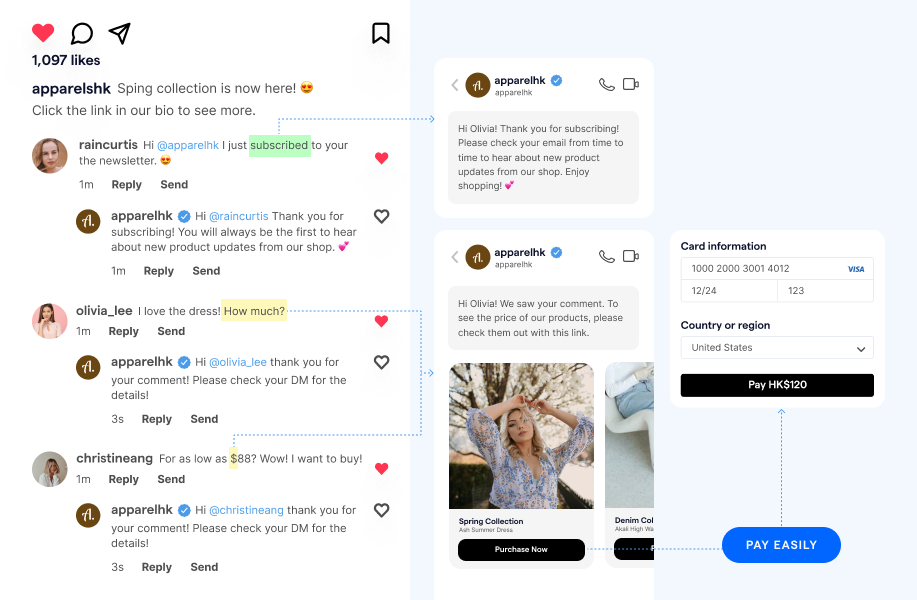
Choose the journey that matters most in the next 90 days:
First-time buyer → second purchase
Lead → qualified → booked / paid
Abandoned cart → recovery
Lapsed customer → win-back
Step 2: Decide what each channel’s job is
Don’t treat every channel the same. Assign roles:
TikTok/IG: discovery and intent
WhatsApp/DMs: questions + closing
Email/SMS: reminders and retention
Website: proof + checkout (when needed)
Step 3: Build a consistent “message spine”
Your ads, posts, DMs, and follow-ups should tell the same story:
one offer
one value proposition
one promise on delivery/returns
one CTA (buy, book, message)
Step 4: Automate the boring parts (not the whole conversation)


Start with automations that remove repetitive work:
instant replies + FAQ menu
lead qualification questions
routing to the right person
follow-up reminders if no reply
Step 5: Measure only 3 things at first

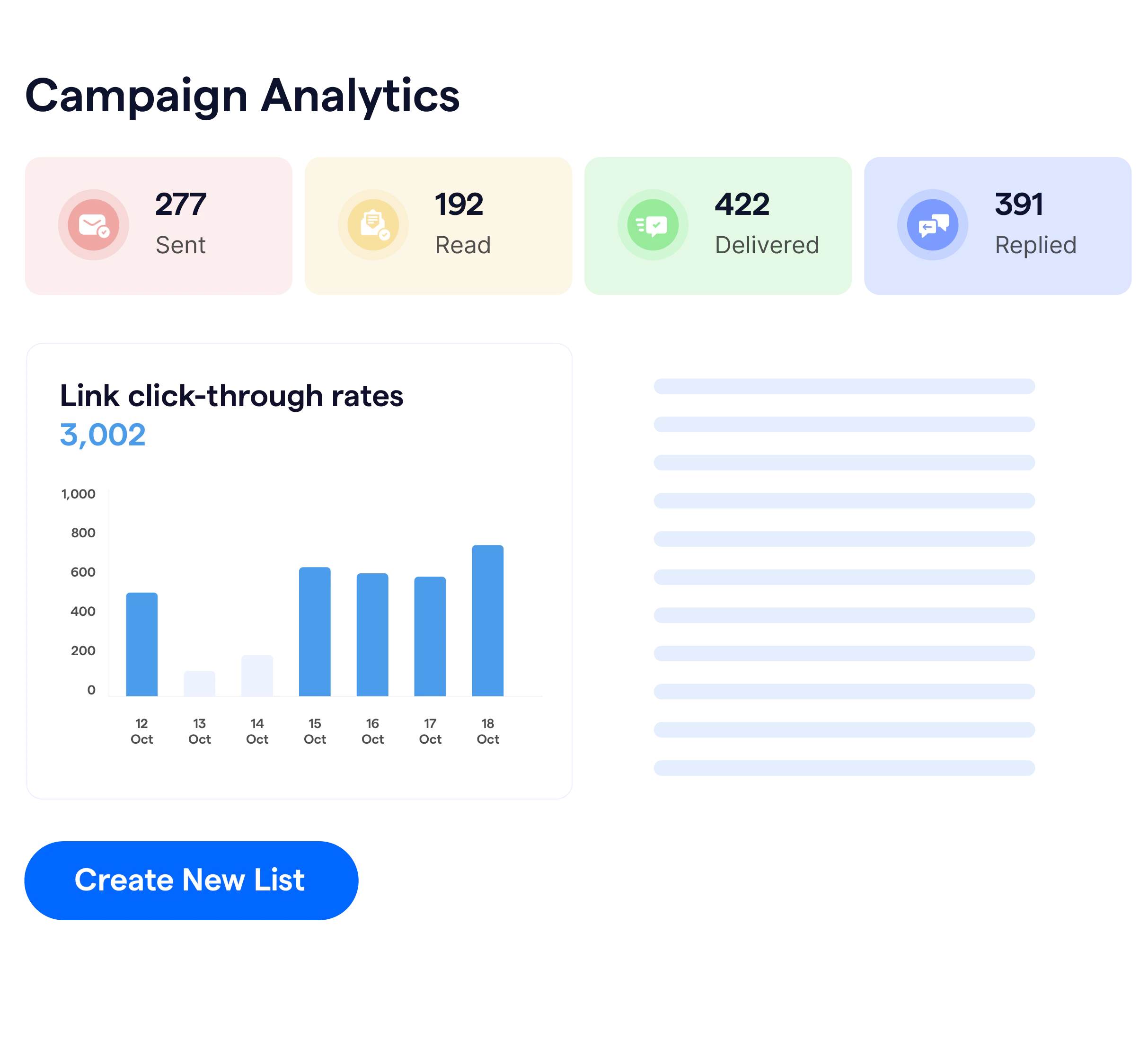
Don’t drown in dashboards. Track:
response time in chat
conversion from conversation → checkout
repeat purchase rate (or booked appointments)
Once the hero journey works, you can clone the same logic into your next journey.

Want to outcompete your peers with SleekFlow's help?
Book your personalised demo with SleekFlow today and unlock the potential of seamless communication
What do you need to know for B2B omnichannel?
While omnichannel strategies are often associated with B2C industries, B2B businesses can also benefit significantly from an integrated approach.
Did you know that 94% of respondents view today’s B2B omnichannel reality as being as effective or more effective than before COVID-19? The findings also revealed that B2B customers regularly use ten or more channels to interact with suppliers, up from five in 2016.
For businesses that get omnichannel right, the benefits are clear: they can attract new customers, retain existing ones, and ultimately drive higher revenues, lower costs to serve, improved customer satisfaction scores, and reduced churn rates.
How to get omnichannel right for B2B customers:
Integrate your channels: Ensure all communication channels (online, offline, social, email) work seamlessly together for a unified experience.
Invest in customer data: Collect and analyze customer behavior to better understand their needs and preferences across all touchpoints.
Personalize interactions: Tailor content and communications to each customer’s specific stage in the buying journey, creating a more relevant experience.
Provide consistent service: Ensure your brand’s messaging and support are consistent across all channels to build trust and loyalty.
Measure and optimize: Continuously track performance across all channels and make data-driven adjustments to improve customer engagement and conversion.
Examples of omnichannel marketing campaigns in Malaysia
Bonia is a local fashion retailer based in Malaysia


Bonia, as a well-known seller of leather goods, looks to establish brand awareness to cultivate customer loyalty and retain clients through cost-effective ways. Other than having digital marketing and social media as their leading route toward younger consumers, they have also incorporated e-commerce marketplaces and digital apps as part of their omnichannel strategy.
Diving into omnichannel marketing through customer preferences, Bonia has also distributed e-vouchers, e-warranties, and electronic notifications to promote and share event updates. Above all, they have implemented a centralised system to track sales performances across branches, ensuring that the performance assessment for marketing campaigns are as accurate as possible.
Timberland is a foreign brand with outlets in Malaysia


Timberland, with its net revenue of USD 433 million in the Asia Pacific alone, is another well-established apparel firm that closely follows ongoing trends to meet the ever-changing consumer demands.
Similar to most retailers, they approach their brand awareness through engaging consumers on social and mobile media. They also build their brand recognition by anticipating the buyers’ behaviours and making sure that their response to the target audience is timely and on point. And how exactly did they do that? By combining attractive in-store experiences with user-friendly digital e-commerce platforms.
Timberland tackles all directions that can improve customer acquisition and retention through advanced digital commerce tactics, including brand connectivity online, innovative inventory management, and inbound logistics to create the best omnichannel retailing strategy.
See more examples of marketing campaigns from big brands like Bulan Bintang, Mudah.my, and more.
Manage your campaigns with omnichannel marketing tools on SleekFlow

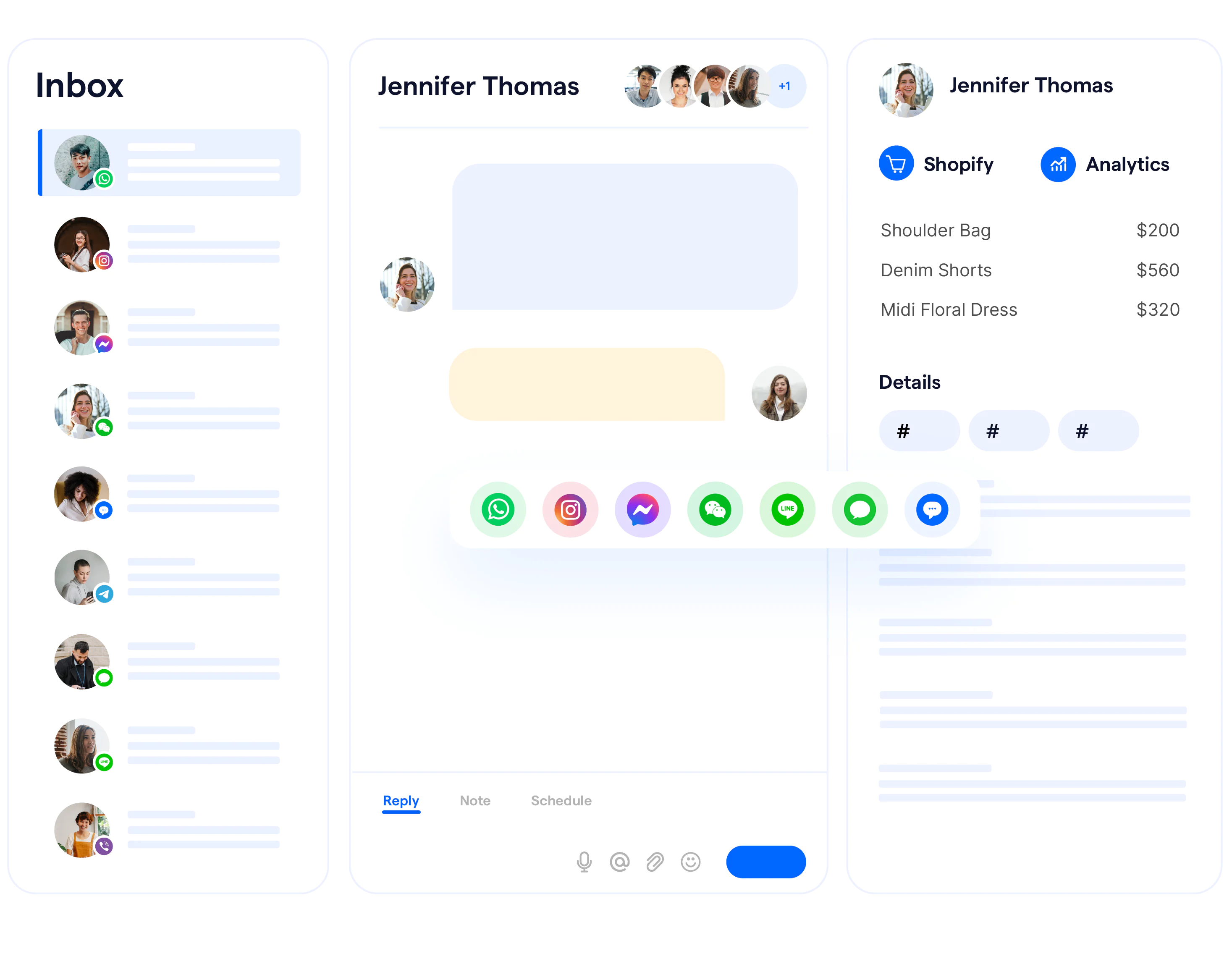
There are countless ways to conduct marketing campaigns. No matter through email, blog content, Facebook Messenger, or WhatsApp blast, there needs to be an organised structure to generate desirable results.
Most importantly, integrated data and analytics are required to assess the performance and refine the target audience for further improvements in future campaigns. Achieving success for campaigns using omnichannel marketing tools calls for an all-in-one social commerce solution like SleekFlow.
Using SleekFlow has reduced our “drop-offs”, improved the response time, and solved niggling issues with CRM integration.

Jovan Lin
AVP Marketing & Corporate Communications at PSB Academy
Explore how PSB Academy empowered omnichannel marketing tools with SleekFlow.
1. Centralised CRM system
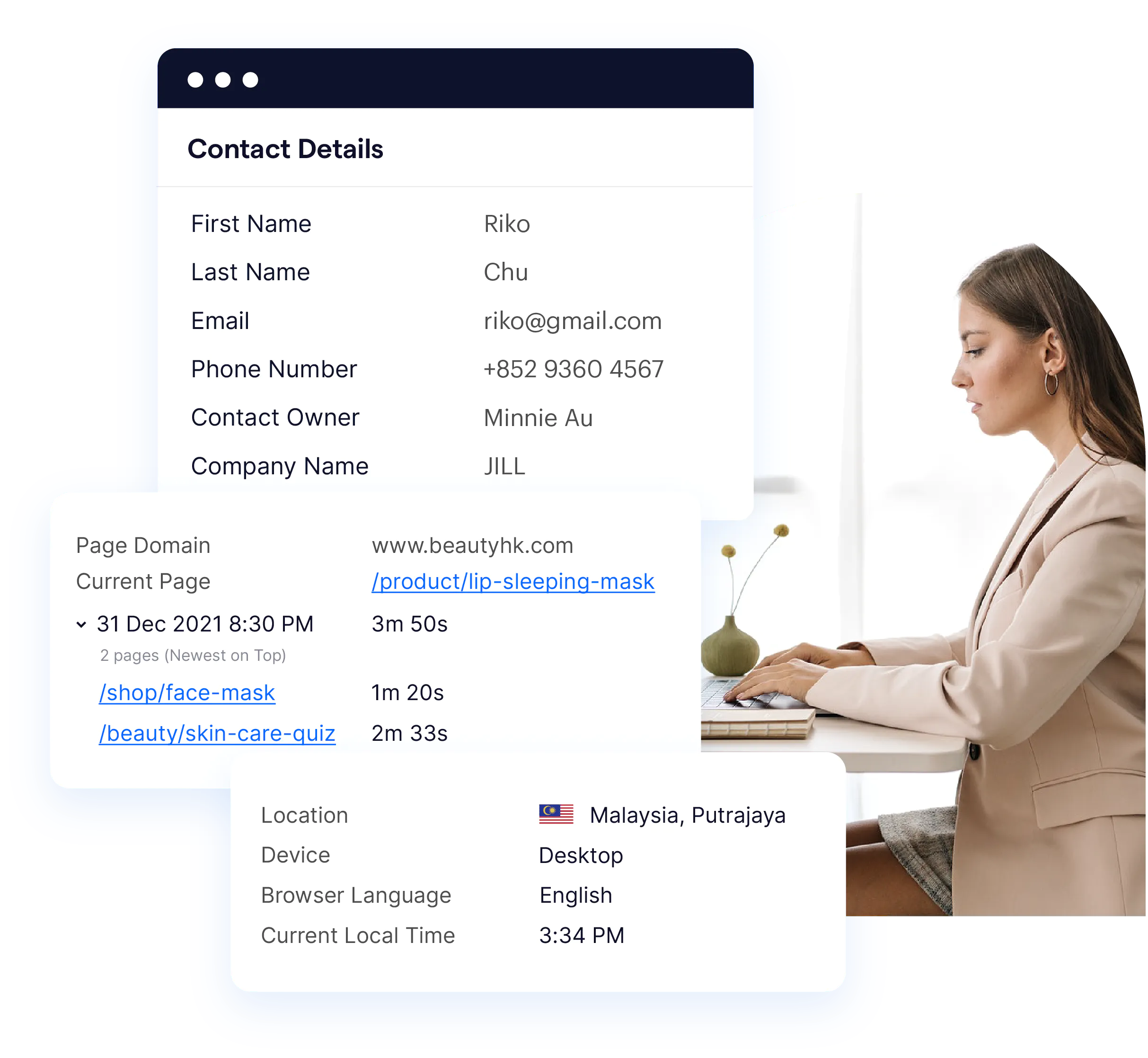
As you scale your business through more distinctive platforms, the customer details generated can be arranged, consolidated, and segmented efficiently on SleekFlow. You can also integrate your existing CRM hub for a smooth onboarding process. From there, the structured data analyses will surely help engage clients better and improve customer relations.
2. Schedule and broadcast personalised messages

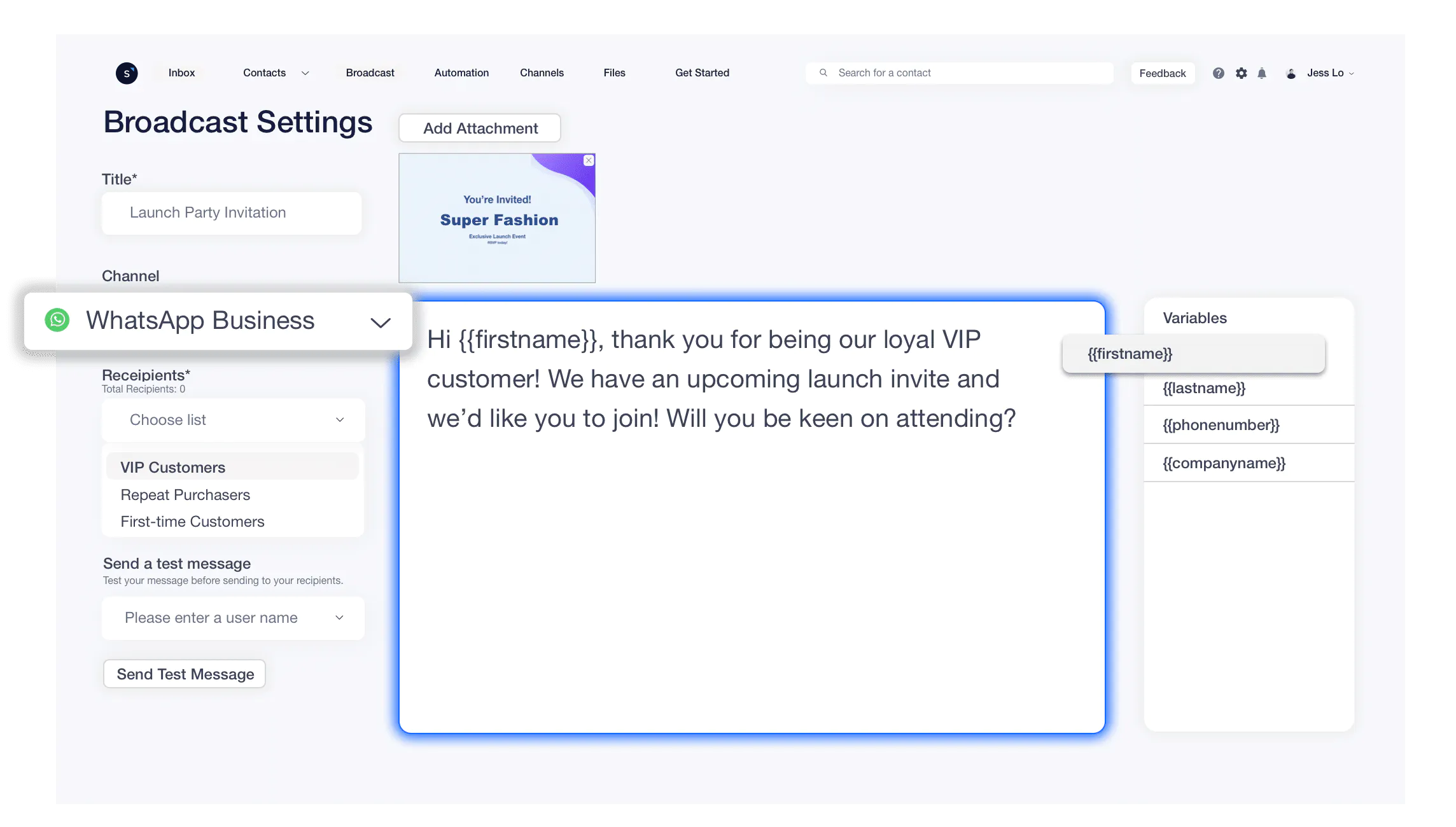
After the existing and prospective customers are properly segmented, broadcast campaigns can be conducted to reach those who are already interested in your products. Giving them a little push with some discounts or limited-time promotions can motivate them to make purchases instantly. You can even automate personalised birthday promo messages to your customers to surprise them!
3. Facebook Lead Ad integration

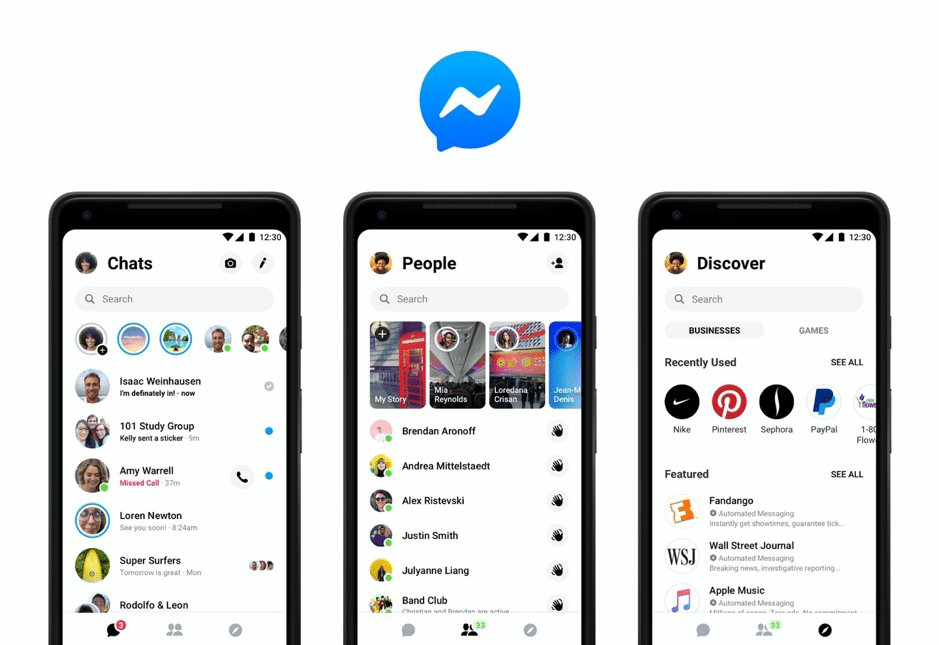
If you’re interested in getting more qualified leads, Facebook Lead Ads will be just right for you. Your customers don’t have to fill in their information one by one to submit the form and express interest in your products. Moreover, once they click on the CTA (call-to-action) button on your ads, their information will be automatically imported into your database. Easy, quick, and convenient.
4. Track campaign metrics
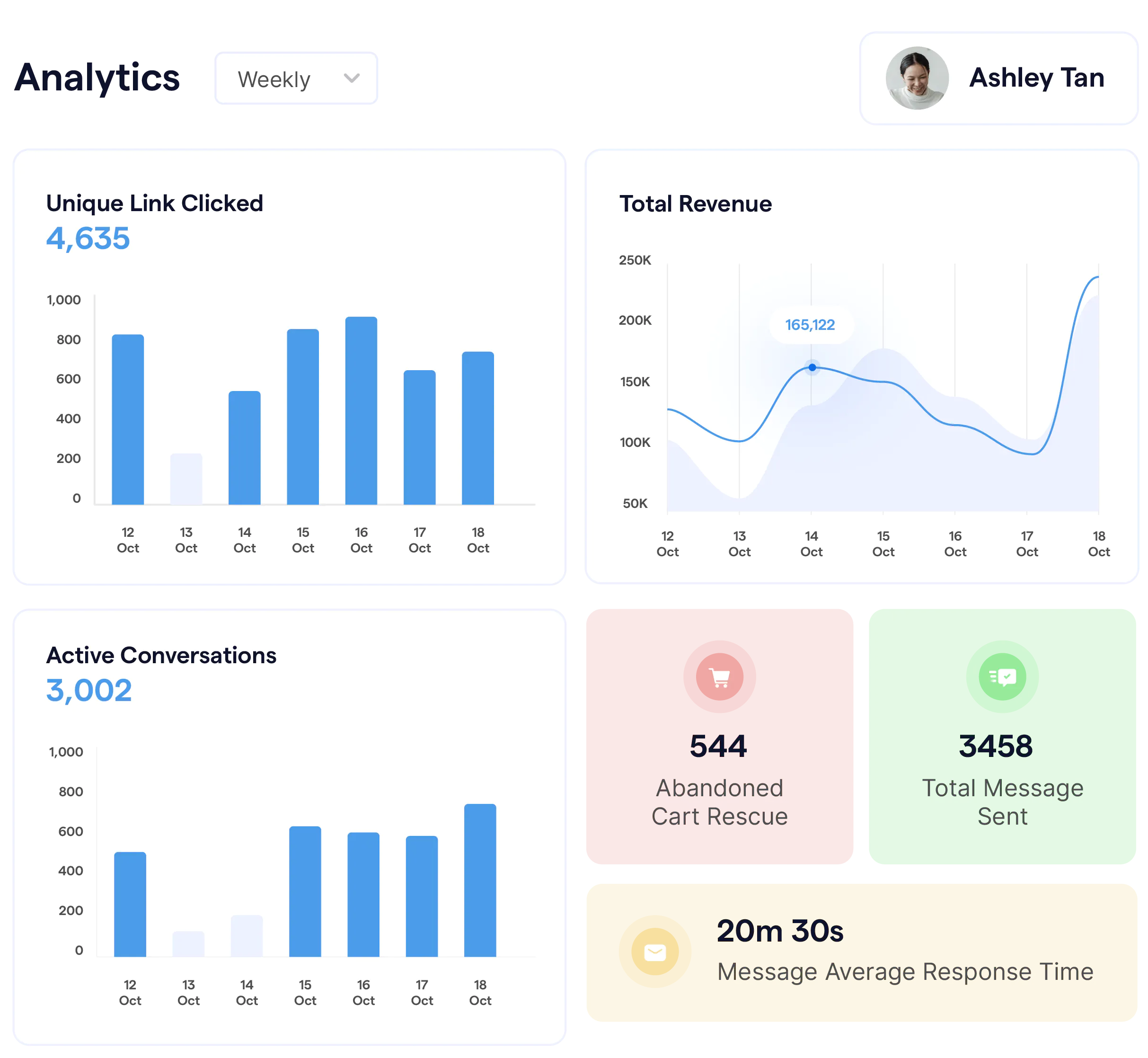
As you combine WhatsApp blast messages, Facebook Lead Ads, Telegram, website live chat and more on SleekFlow, you and your teammates can all get an overview of the campaign analytics.
Key metrics such as sent, read, replied, and link click-through rates can be monitored to design the following campaigns and recover lost leads and prospects.
SleekFlow is a unified hub that goes beyond marketing. Start accelerating sales for your business and offer top-notch customer support with our comprehensive social order-to-payment ecosystem today.
Want to outcompete your peers with SleekFlow's help?
Book your personalised demo with SleekFlow today and unlock the potential of seamless communication
{{__phrase_faq-title__}}
{{__phrase_share-article__}}